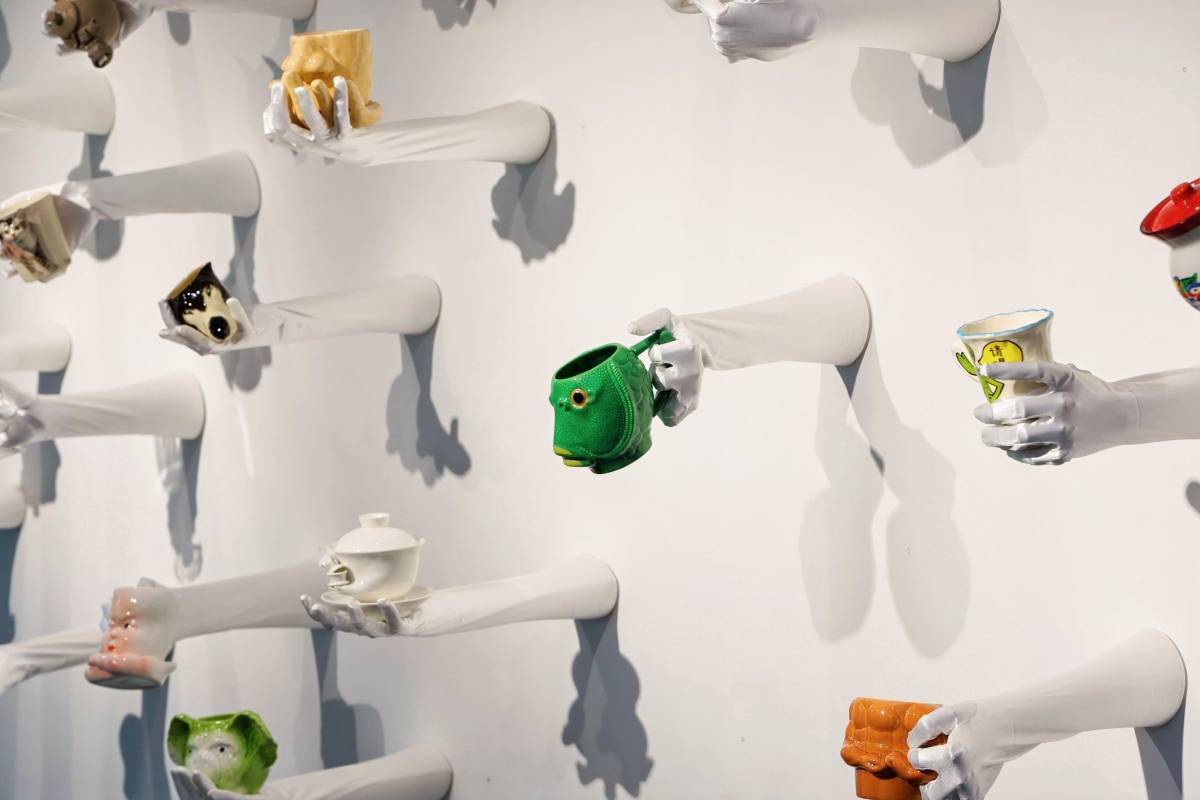
Taobao’s second annual Uglies exhibition, themed “Ugly, But Mine,” has returned to Hangzhou at nearly twice the scale of last year’s debut.
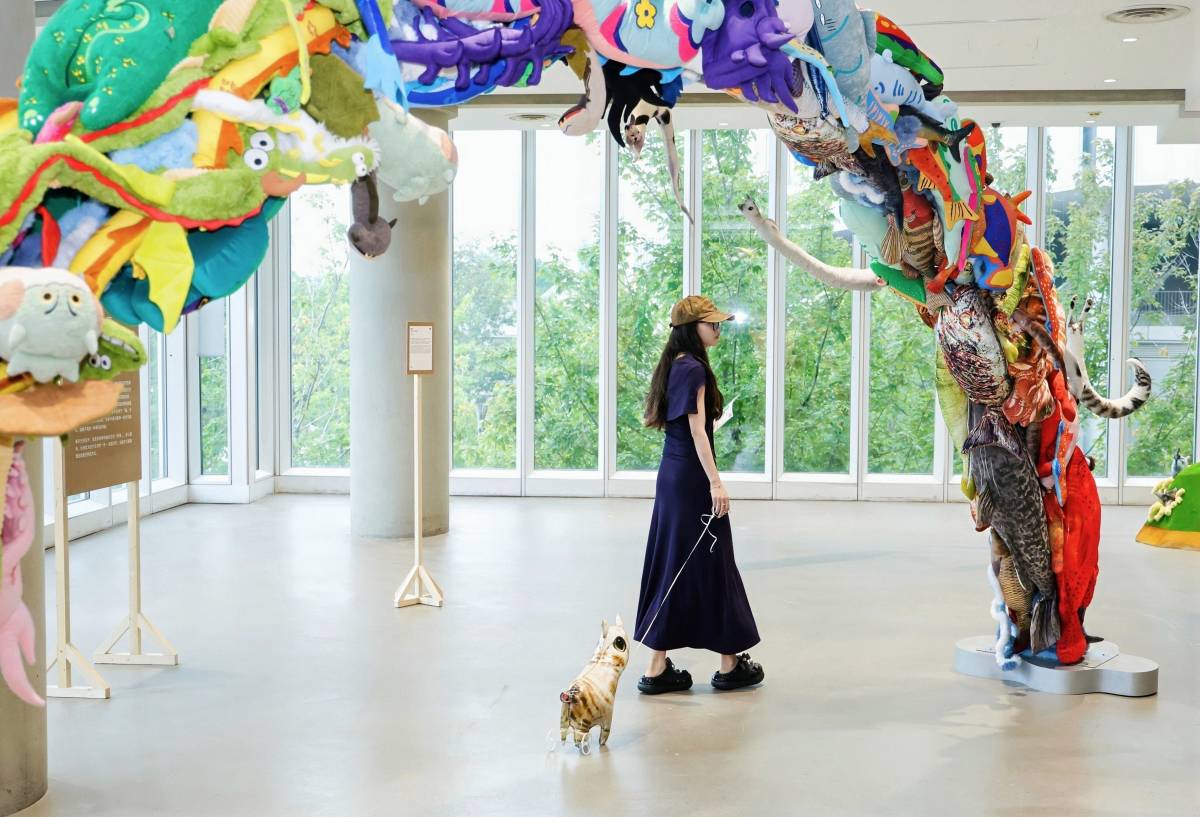
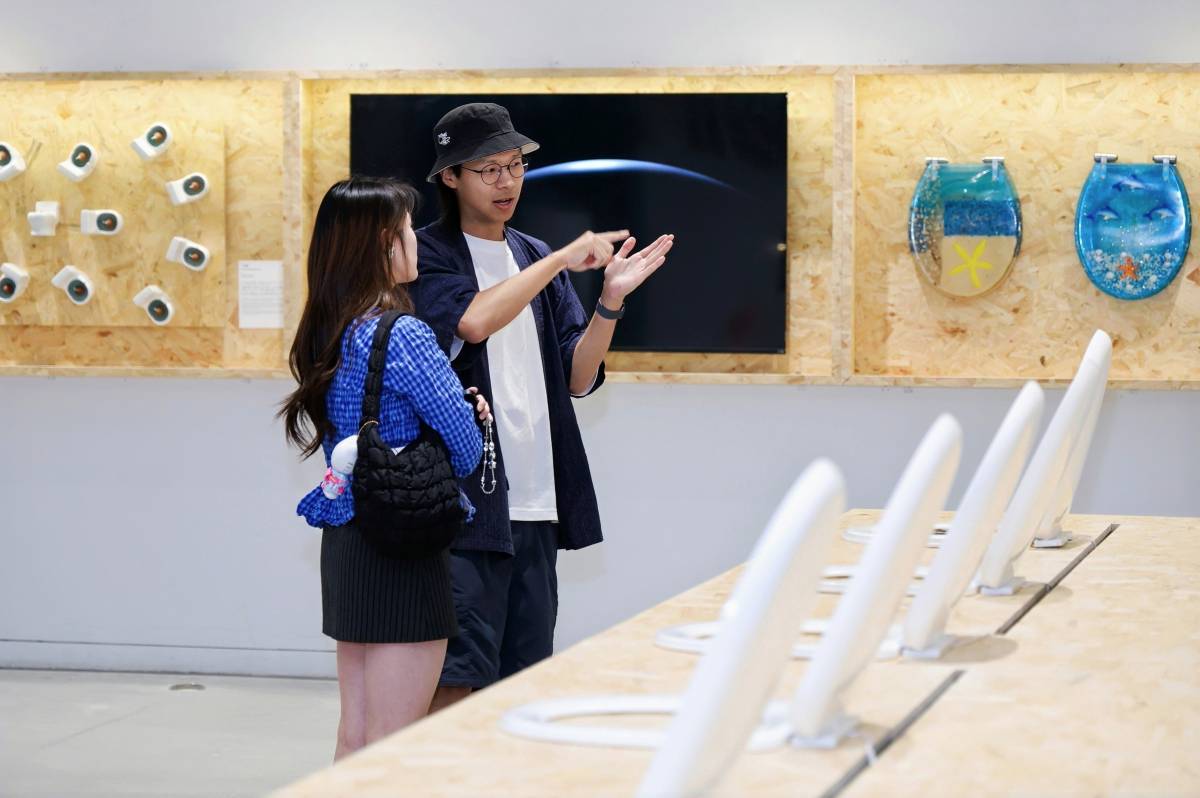
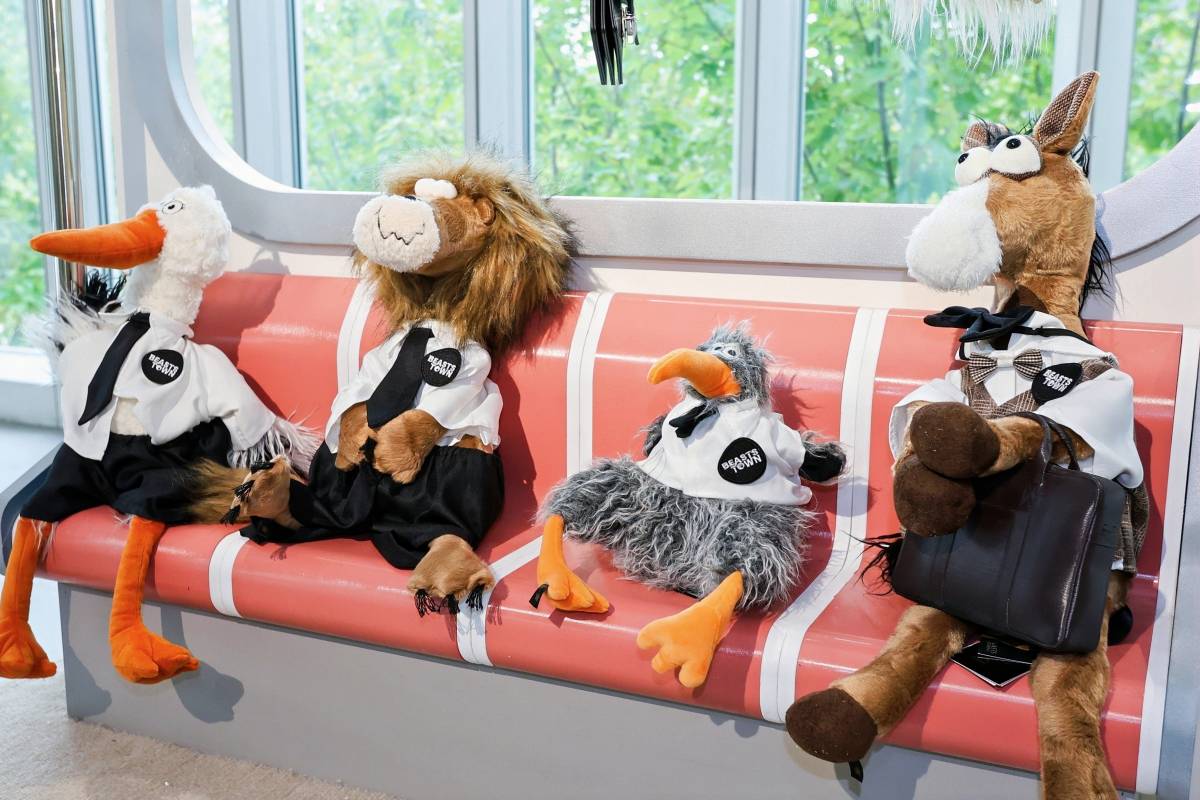
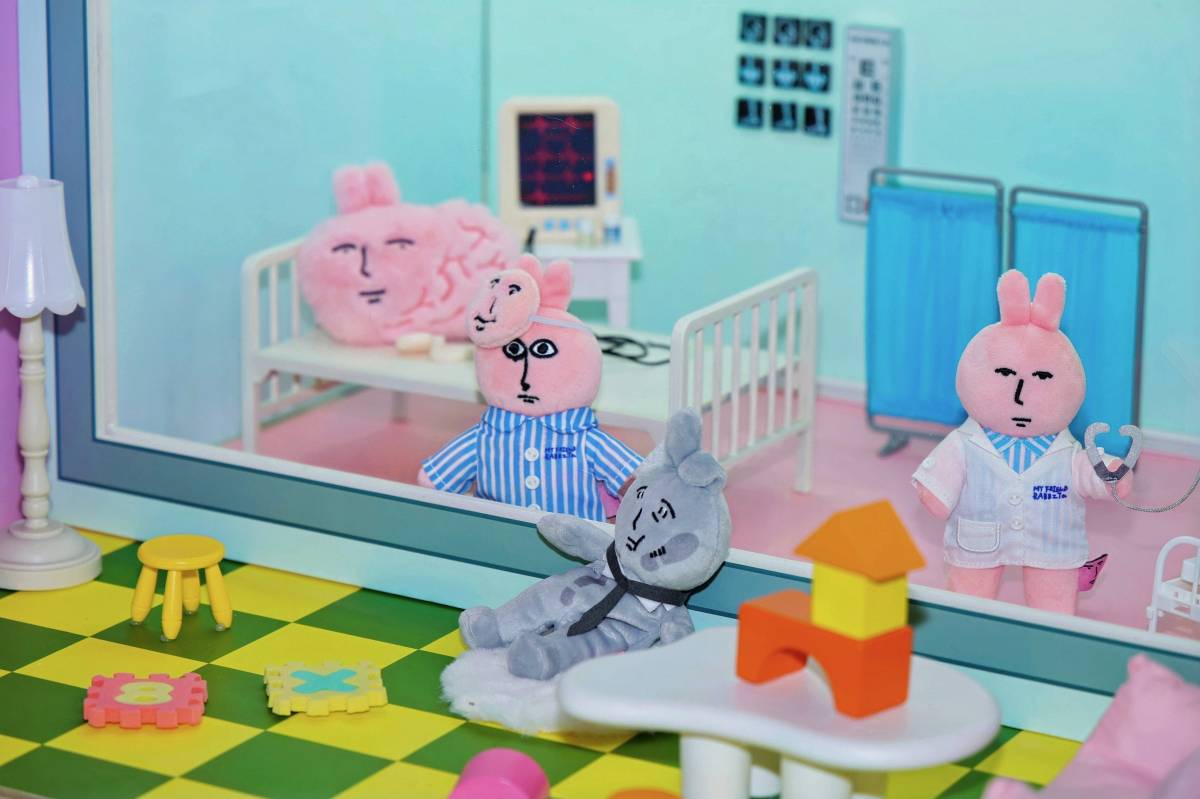
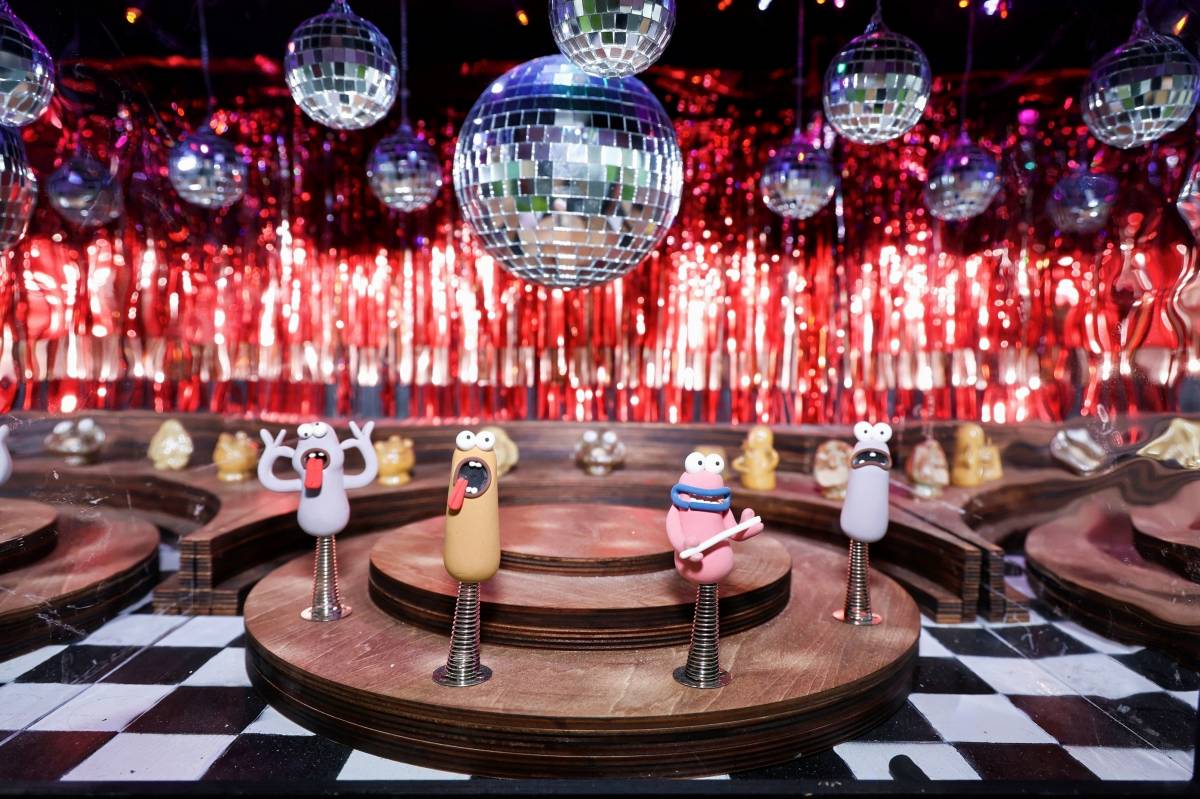
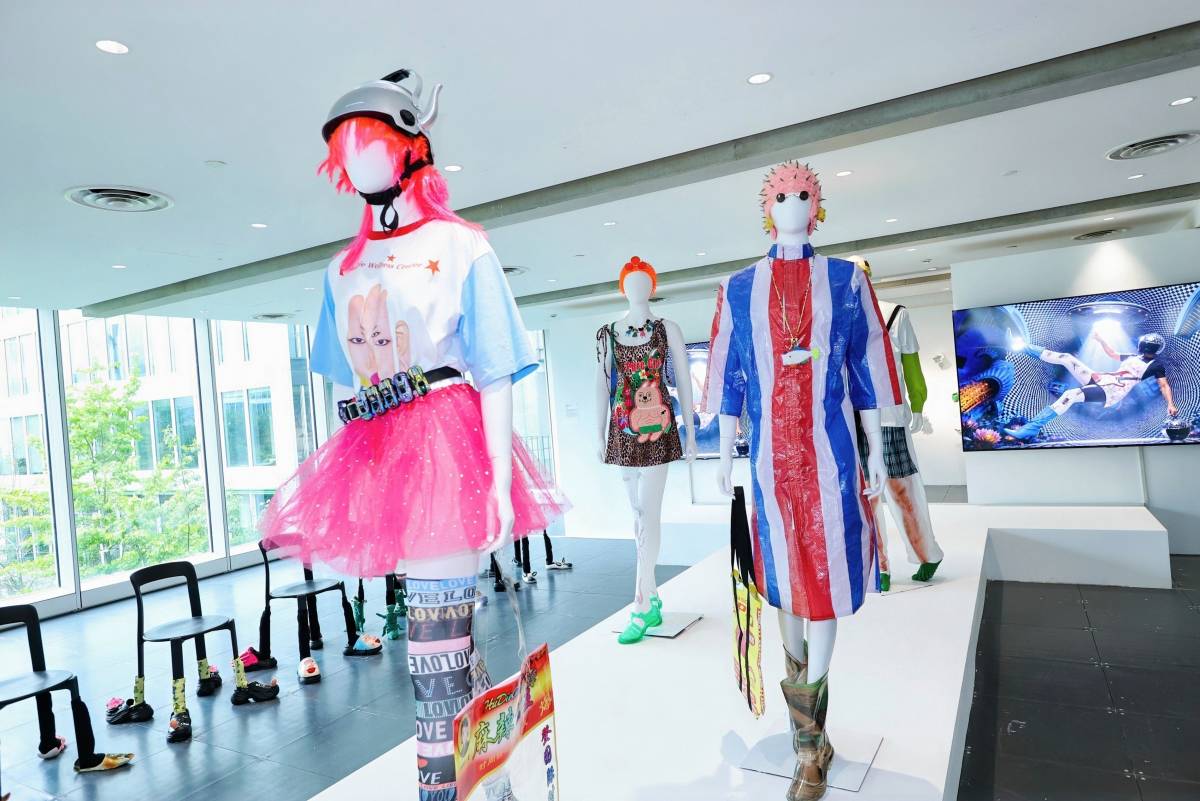
Spanning more than 1,200 square meters, the exhibition features over 30 installations and more than 500 products listed on Taobao. Independent IP characters, including GigiFrog, My Friend Rabbit and LiPU FRiENDS, have joined brands such as Wen Tong Zi and BeastsTown to co-curate the show for the first time.
“What starts as a creator’s singular vision can become something far bigger,” said Sheng Yi, who heads the toy category for Taobao and Tmall. “When an idea finds its audience, creators build worlds around their characters—distinct visual identities, product lines and loyal communities. What was once a niche impulse is maturing into a tangible consumer market.”
Since Taobao launched its annual Uglies Award in 2020, unconventional products featured through the initiative have generated cumulative sales of RMB230 million. The category has reached tens of millions of young consumers, reflecting a growing appetite for design that embraces humor, individuality, and imperfection.
Bringing Folklore to Life
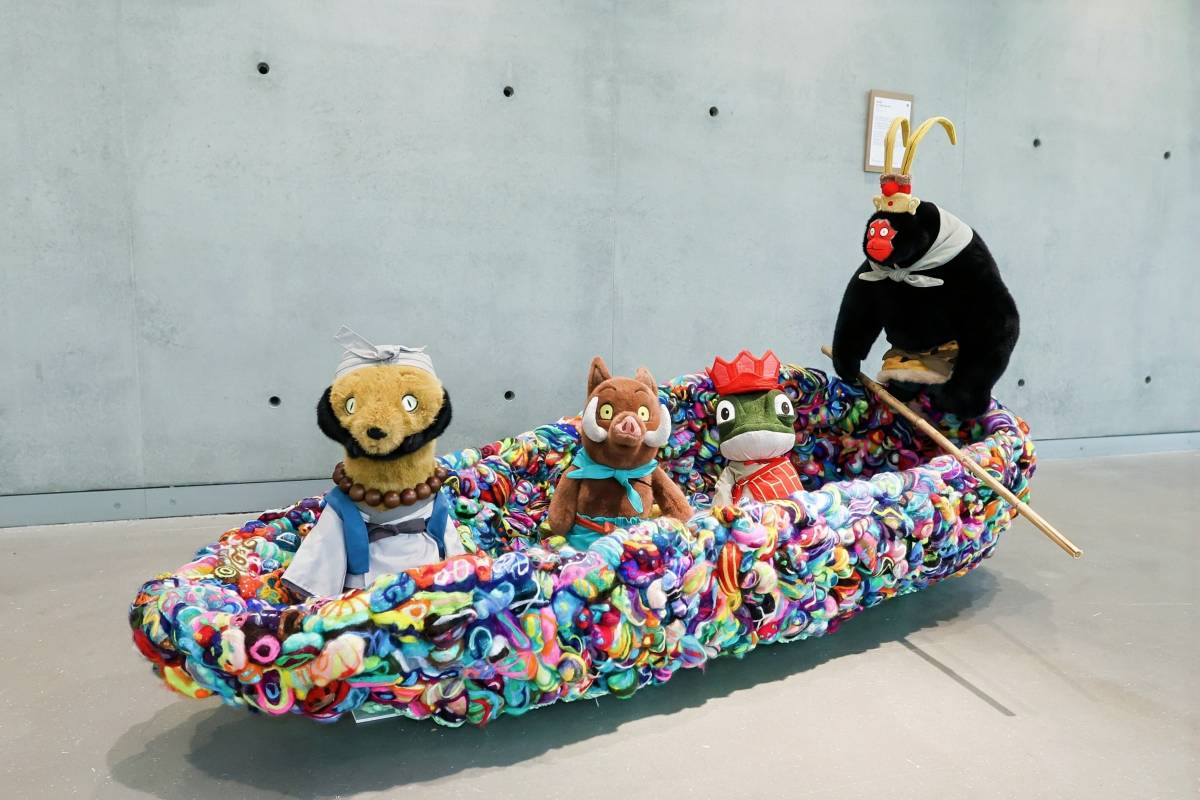
One installation spotlights Wen Tong Zi, a Hangzhou-based plush brand that reimagines overlooked figures from Chinese folklore as collectible characters.
Its collaboration with Nobody, an animated film inspired by the classic Chinese tale Journey to the West, became one of the brand’s most successful releases to date. The partnership saw more than 10,000 units sold in its first three days, with cumulative sales now exceeding 30,000.
“People may come for one character, but they stay for the world behind it,” said Si Liang, the brand’s director. “We do not simply put traditional motifs on products. We look for characters in Chinese folklore with personality that resonates and feels current—creating a distinctive way to bring Chinese stories to life.”
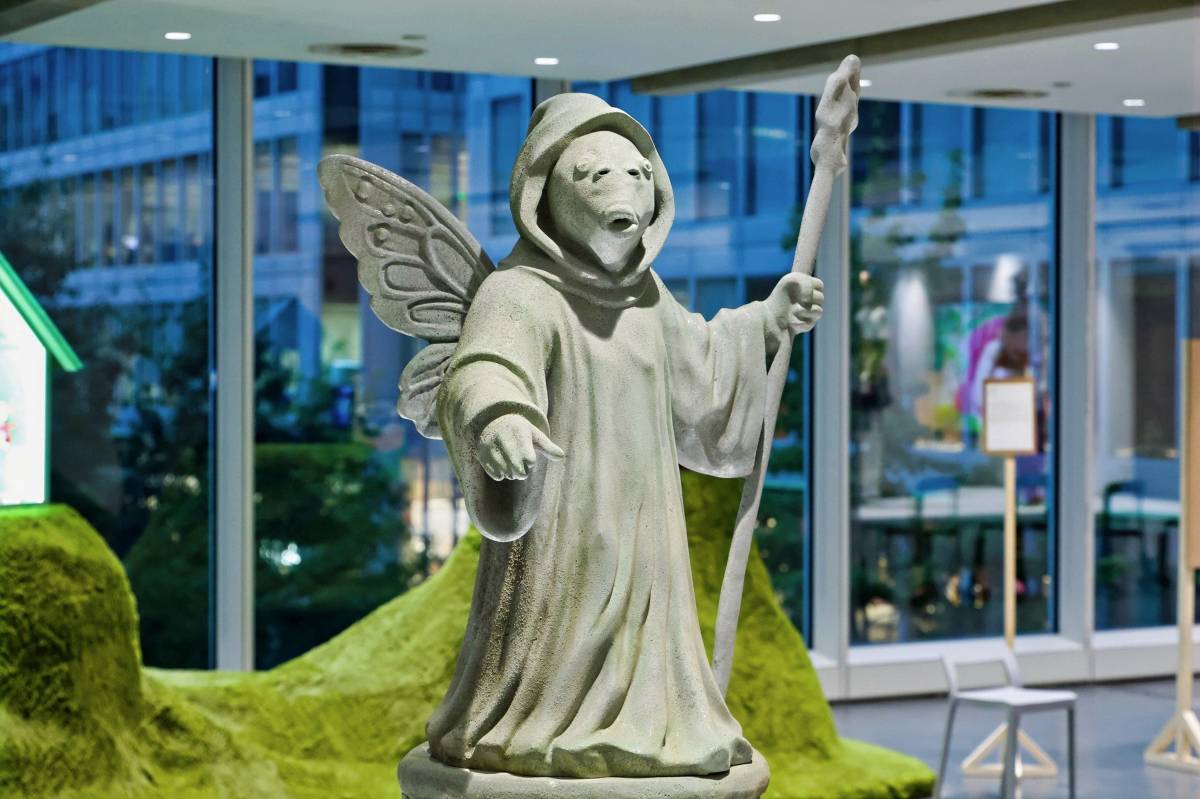
In the Flying Apsara Grotto section, legendary figures from Dunhuang’s ancient cave murals step off the walls and into three dimensions. The Dunhuang Academy has reimagined them as collectible characters for younger consumers.
Launched on Tmall in 2025, its Dunhuang Painted Deities series now features nine core characters and more than 40 related products. Its first release, a winged figure inspired by an ancient mural, has sold more than 70,000 units across online and offline channels.
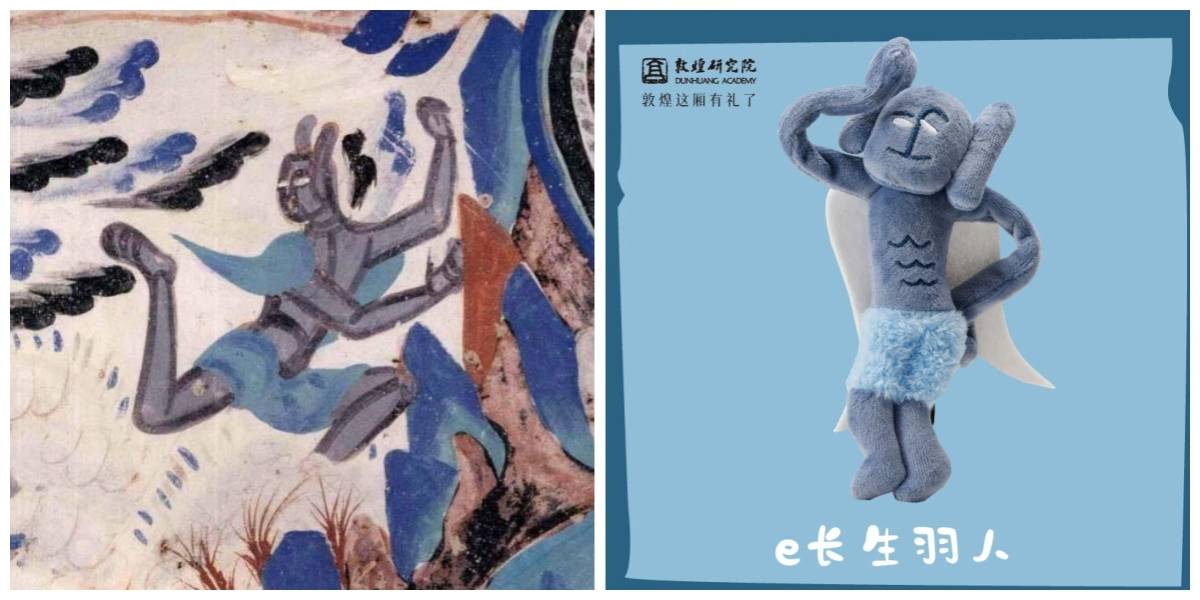
“To engage younger audiences with traditional culture, a history lesson is not always the best starting point. Sometimes, all it takes is a character that feels relatable, friendly, and full of delightful surprises,” says Huang Sijia, operations lead for the project.
One Idea, Many Products
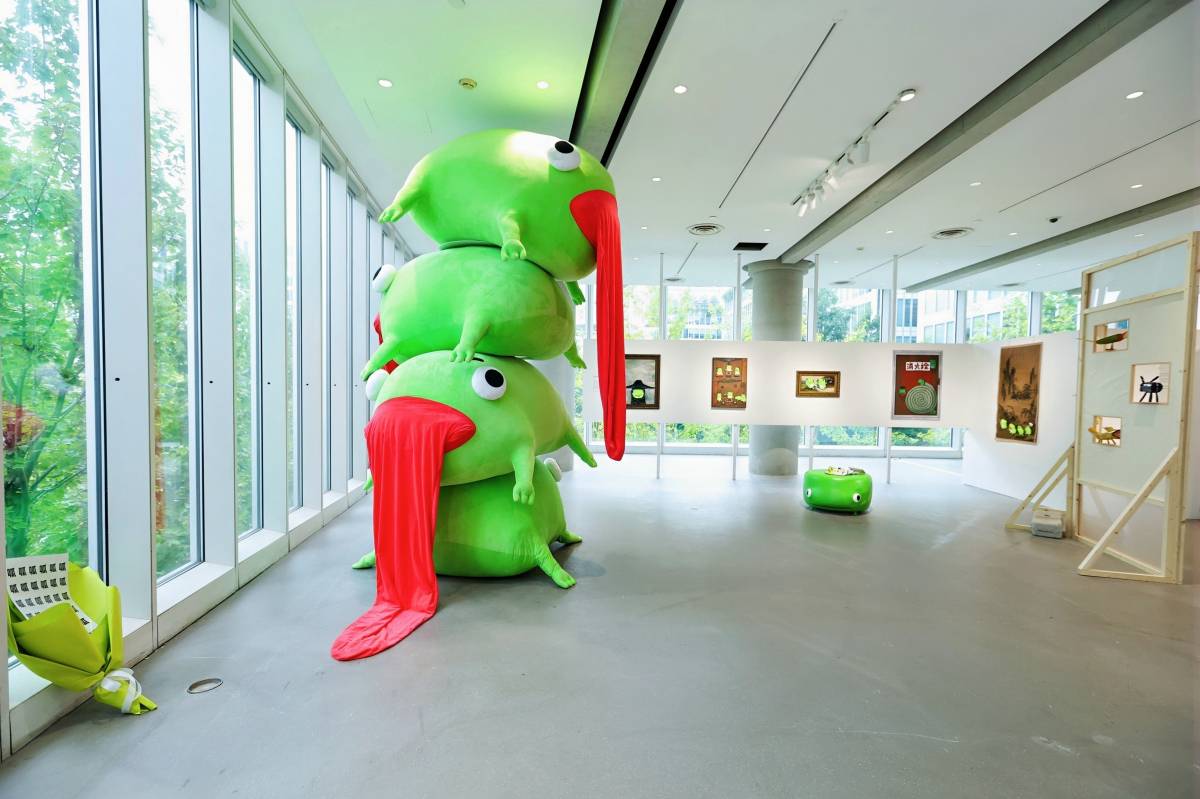
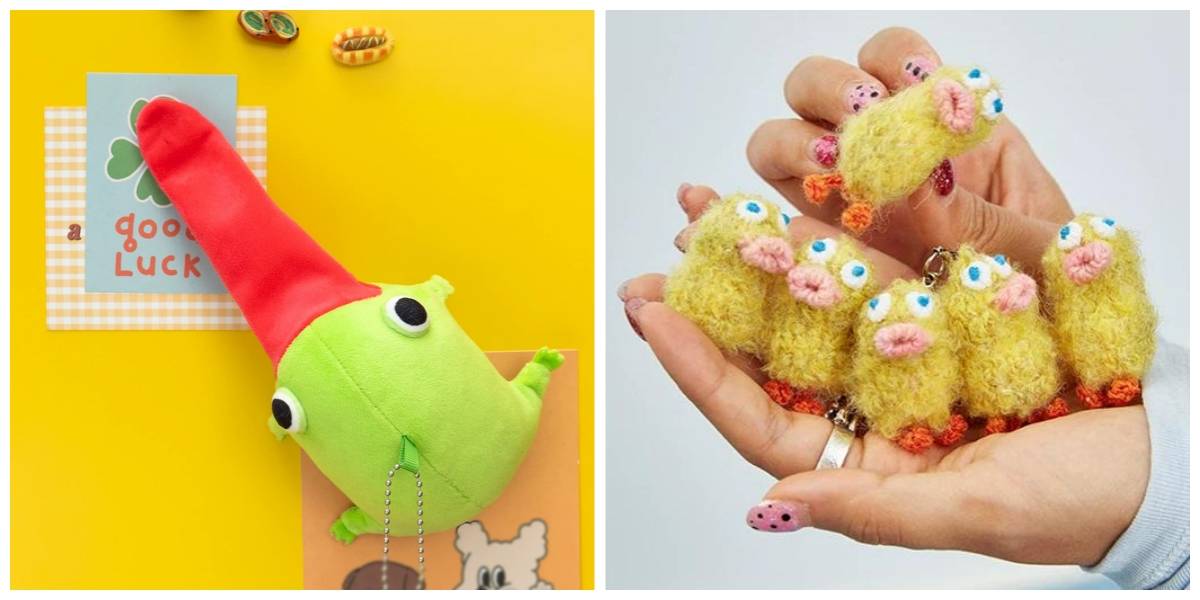
GigiFrog began as an “ugly-cute” frog character created by Zhou Zixin for her 2026 graduation show at the China Academy of Art. Receiving early interest from buyers, she opened a Taobao store and expanded the character into more than 20 product lines. Its best-selling plush toy, featuring an extendable tongue, has sold more than 10,000 units.
In the Chaoshan region of eastern Guangdong Province, Huang Jiayu took over her father’s closed crochet factory in 2014 with the eight women who chose to stay. Through her brand, Beaubnana, she has transformed traditional crochet—once used mainly as garment trim—into playful earrings, charms and bags. The brand’s deliberately uneven designs have become its signature, bringing the women who make them an RMB8,000 to RMB10,000 in income during peak seasons.
A Platform for the Unconventional
On Taobao, creators can test unconventional ideas with real customers, using sales and feedback to shape what they create next while gaining wider exposure through programs such as the Uglies Award and exhibition.
“Ugly is not the opposite of beautiful, and this is not about replacing one standard with another,” said Liu Tian, the exhibition’s curator and a professor at the School of Intermedia Art at the China Academy of Art. “It is a move away from a single aesthetic order—making room for individual difference, chance and humor alongside mass production and consumption.”